
The Real Math Behind Slots, Poker and Sports Betting
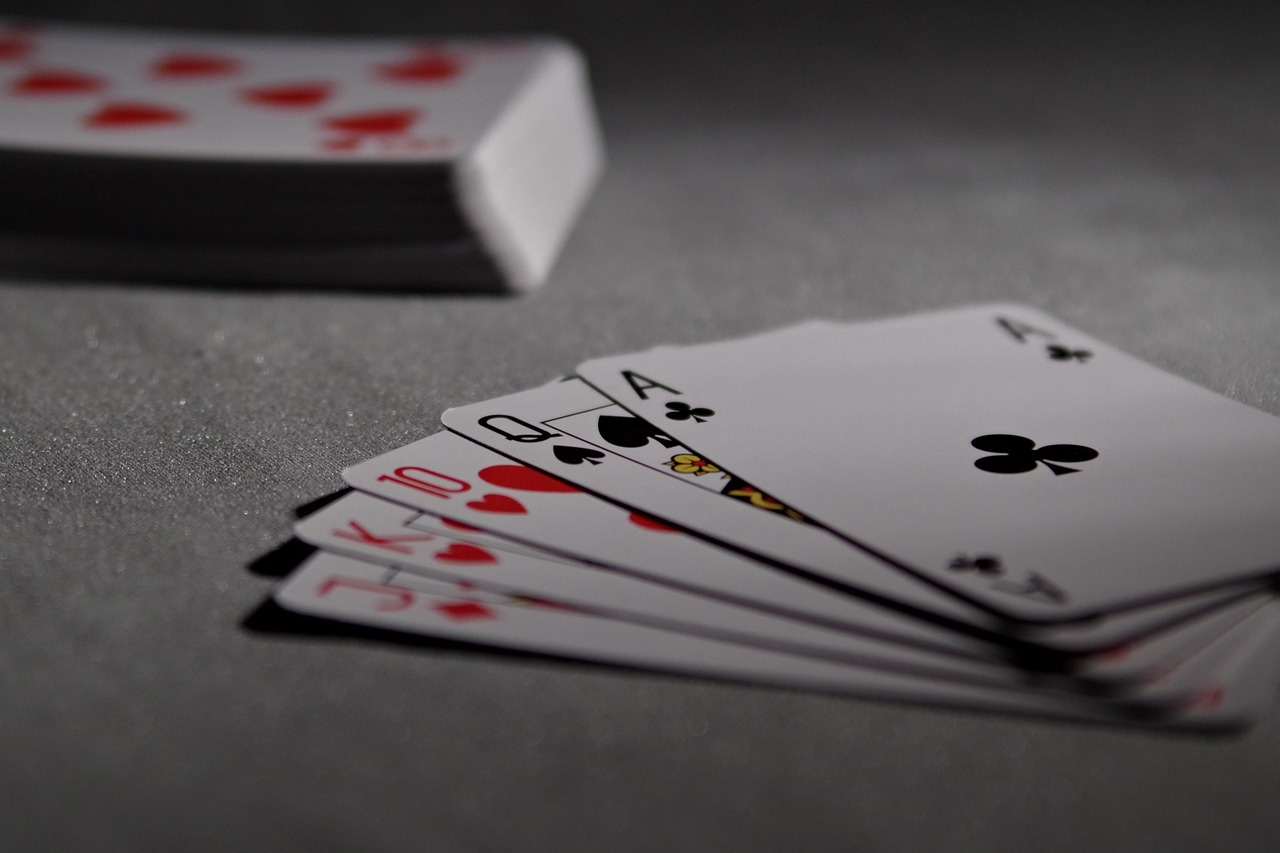
Last month, a friend told me he'd cracked the code on a popular slot machine because it "felt hot" after a dry spell. He lost $400 in forty minutes. That moment—the gap between feeling and math—is exactly why most players bleed money. The iGaming world doesn't run on luck or intuition. It runs on house edges, variance, and probabilities that don't care about your gut. Whether you're spinning reels, grinding poker tables, or betting on Premier League fixtures, understanding the numbers changes everything. Let's break down what's actually happening when you click that button or place that wager.
Slots: The House Edge You Never See
Slot machines are the casino's cash cow for one simple reason: the house edge is baked into every spin, and it's invisible. Unlike blackjack, where basic strategy visibly reduces the edge to under 1%, slots operate in a black box. A typical video slot has a return-to-player (RTP) between 92% and 97%. That sounds decent until you realize it means the casino keeps $3 to $8 of every $100 wagered—forever, across millions of spins.
Here's what most players miss: RTP is a long-term average, not a promise for your session. You can hit a 500x multiplier on spin ten and walk away up. Or you can feed a machine for three hours and never see a bonus. That's variance, and it's brutal on slots because the hit frequency is often below 25%. On many high-volatility games, you'll lose on 80% of spins.
Concrete example: A slot with 96% RTP and high volatility might pay out 60% of its total returns in a single jackpot every 50,000 spins. The rest of the time, you're funding that future jackpot. This isn't a conspiracy—it's how the math works. If you want lower edge, look for low-volatility slots with RTP above 97%. They won't make you rich, but your bankroll lasts longer.
Slot Myths That Cost Real Money
- "The machine is due." False. Every spin is independent. A slot that hasn't paid in 1,000 spins has the same odds on spin 1,001.
- "Betting max coins increases RTP." Sometimes true on older mechanical slots, but modern video slots usually have the same RTP across all bet sizes—except when the game explicitly states a higher RTP for max bet. Always check the paytable.
- "You can feel a hot machine." You can't. Random number generators don't have moods.
Poker: The Only Game Where You Play Against People
Poker is fundamentally different from slots or sports betting because you're not playing the house—you're playing other players, and the house takes a rake. That rake (typically 5% of the pot, capped at $3 to $5 in live games) is your only fixed cost. The rest is skill versus skill.
This is why poker is the only iGaming vertical where long-term winners exist. But here's the catch: the edge is thin and takes thousands of hands to materialize. A solid winning player might have a win rate of 5 big blinds per 100 hands. If you're playing $1/$2 no-limit, that's $10 per 100 hands. Sounds fine until you realize that a 10 buy-in downswing (that's $2,000) can happen over 20,000 hands—even if you're playing perfectly. This is explained well on สล็อตเว็บตรง.
The key mental shift: poker rewards process, not results. You can play a hand perfectly and lose to a two-outer on the river. If you tilt after that, you've just donated your edge back to the table. The best players I know track every session, review hand histories, and treat variance like weather—annoying but unavoidable.
Three Quick Poker Math Facts
- Pot odds decide calls. If the pot is $100 and you need to call $20 to see the river, you're getting 5:1. You only need to win 16.7% of the time to break even. Compare that to your actual equity—if you have a flush draw with nine outs, you'll hit about 19% of the time. Call.
- Position is worth more than cards. In a six-max game, the button wins money long-term because you act last on every street. That information is often worth more than having ace-king out of position.
- Bankroll management isn't optional. Standard rule: 20 buy-ins for cash games, 50 to 100 buy-ins for tournaments. Ignore it and you'll go broke before your edge shows up.
Sports Betting: Where the Line Tells the Truth
Sports betting feels more analytical than slots. You watch games, you know the teams, you have opinions. But the sportsbook isn't guessing—it's setting a line designed to split public money and guarantee a profit. The classic vigorish (vig) is -110 on both sides of a point spread. That means you risk $110 to win $100. To break even, you need to win 52.4% of your bets. The house edge is roughly 4.5%—much lower than slots, but still a mountain to climb.
Where do bettors find an edge? Not on national TV games where the market is efficient. Edges appear in niche markets: obscure leagues, player props, live betting after a key injury. But even then, you're competing against sharp bettors and algorithms that adjust lines in seconds.
A concrete tip: if you're betting for fun, stick to a fixed unit size (1-2% of your bankroll). If you're betting to win, treat it like a business—track closing line value (CLV). If you consistently beat the closing line, you're likely a long-term winner. If you don't, you're just entertaining yourself. Both are fine, but don't confuse the two.
Bankroll Rules That Actually Work
Every iGaming discipline shares one universal truth: survival matters more than any single win. Whether you're spinning slots, playing poker, or betting on football, your number one job is to stay in the game long enough for your edge (if you have one) to play out.
- Separate your bankroll from your life money. Never deposit rent money. Ever.
- Set loss limits before you play. Deposit $200? That's your cap. Walk away when it's gone.
- Use time limits on slots. They're designed to be immersive. Set a 30-minute alarm and stick to it.
- Track everything. A simple spreadsheet—deposits, withdrawals, session length—reveals patterns you'll never see otherwise.
One more thing: bonuses and free spins can tilt the math slightly, but only if you read the terms. A 100% match bonus with a 40x wagering requirement on slots means you need to wager $4,000 before withdrawing. That's not free money—it's a discount on volume, and only if you were going to play that much anyway.
The Bottom Line
iGaming is entertainment first, and anyone who tells you otherwise is selling something. But entertainment doesn't have to be stupid. Knowing the RTP on a slot, the rake in your poker game, or the vig on a spread doesn't ruin the fun—it makes you a better consumer. The house always has an edge, but you can choose how big that edge is. Play lower-RTP slots if you want longer sessions. Play poker if you want a chance at long-term profit. Bet sports only when you have a genuine informational advantage. And above all, never chase a loss with money you can't afford to lose. The math doesn't care about your feelings. Respect it anyway.
